Communities of Practice
New Community of Practice:
Meaningful Engagement of People with Lived Experience
We're looking for people interested in being part of a new Community of Practice (CoP) on meaningful engagement of people with lived and living experience in gambling harms work across Great Britain. The CoP launches in late October 2026, and expressions of interest are now open.
What is a Community of Practice?
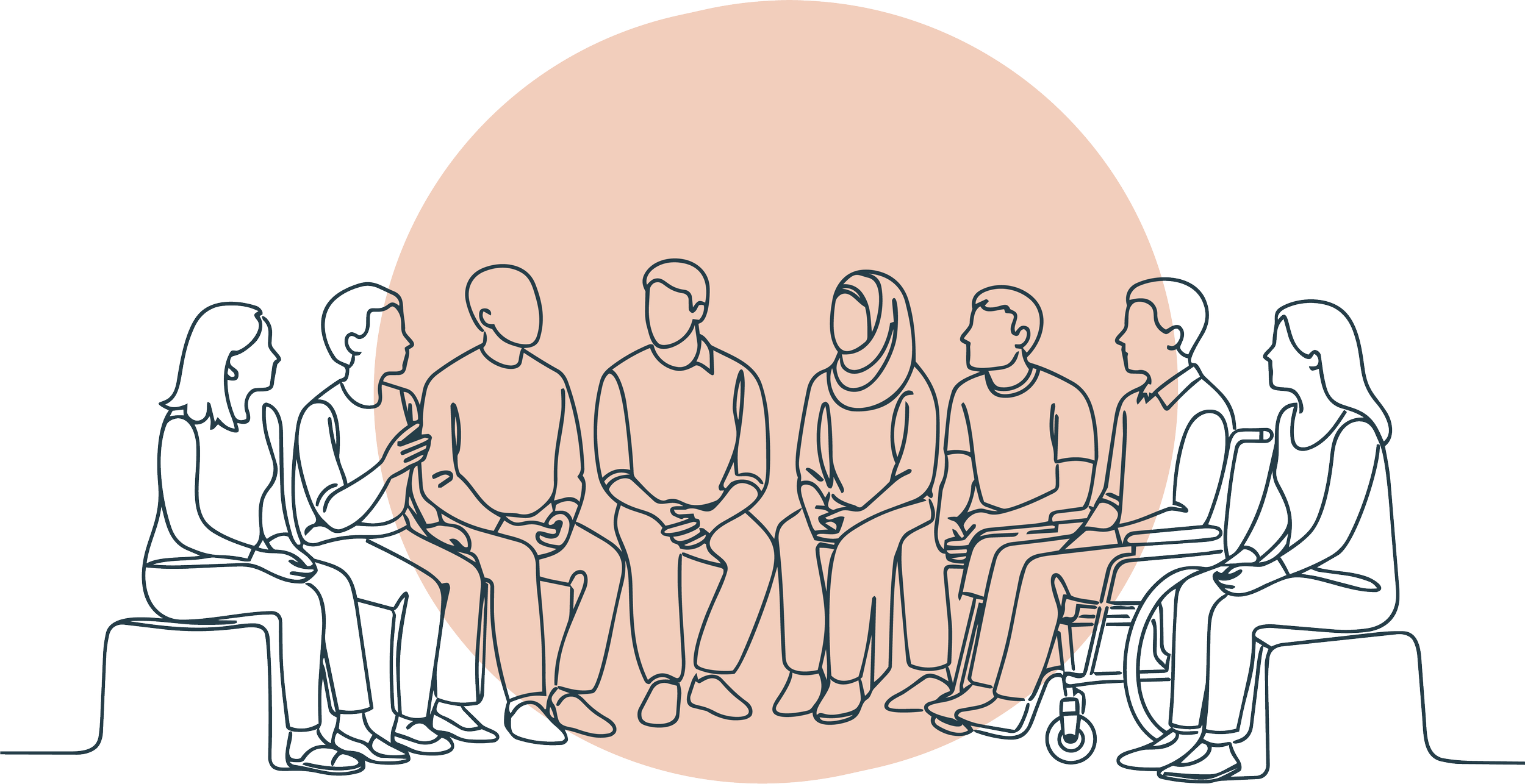
A Community of Practice (CoP) is a group of people who come together around a shared area of interest to build connections, learn from one another, exchange knowledge and experiences, and improve practice.
This CoP focuses on the meaningful engagement of people with lived and living experience in the design of policies, programmes, and services related to preventing and reducing gambling harms in Great Britain. Members bring different perspectives, expertise, and lived experiences, and are united by a shared goal: advancing more meaningful, equitable, and impactful engagement across the sector.
Who is this Community of Practice for?
This CoP is for anyone who shares a commitment to meaningful engagement of people with lived and living experience in shaping policies, programmes, and services related to gambling harms. We welcome people with diverse experiences, backgrounds, and expertise, including but not limited to:
People with lived and living experience
Peer supporters and advocates
Community and voluntary sector organisations
Public health and healthcare professionals
Service providers and recovery organisations
Researchers and evaluators
Policymakers and system leaders
We recognise that expertise comes in many forms, and we are committed to creating a space where all participants can learn from, and contribute to, one another.
What will this Community of Practice do?
One of the defining features of a Community of Practice is that its purpose and activities are shaped by the participants. Rather than accomplishing a specific task as a working group may, the CoP evolves based on members' interests, experiences, priorities, and goals. Potential activities could include co-creating:
Shared principles and definitions of meaningful engagement
Resources, guidance, or recommendations to support engagement efforts
Case studies and examples of promising practice
Approaches for evaluating engagement quality and impact
How will the Community of Practice connect?
The CoP launches in late October 2026. Monthly online meetings will bring members together to foster collaboration, shared learning, and collective action to strengthen meaningful engagement.
How to get involved
Join the Community of Practice
Expressions of interest to join the Community of Practice are now open. Complete the online form.
Become a Co-Lead
Co-lead self-nominations are open until 25 September 2026.
Full details about the role, eligibility requirements, and declaration of interest can be found here.
For questions about either opportunity, contact community@networkrgh.co.uk.
Interested in helping lead the Community of Practice?
We’re also recruiting up to two Community of Practice Co-Leads to help develop and facilitate this new community alongside Network staff, supporting collaboration, shared learning, and knowledge exchange across the community.
Co-Leads will contribute up to 40 hours between October 2026 and September 2027 and will receive a stipend in recognition of their participation.
Individuals interested in this opportunity must fill out a self-nomination form by 25 September 2026.
Learn more about the co-lead role and access the self-nomination form.

Our Communities of Practice bring together people with shared interests or roles to learn from one another, exchange ideas, and co-create practical solutions.
Each community will focus on a specific area of practice or emerging issue related to gambling harms, helping members connect, deepen expertise, and advance collective impact.
By joining a Community of Practice, you’ll be able to:
Engage in regular discussions and learning sessions
Collaborate on projects and innovation
Access shared resources and evidence
Build relationships across sectors and disciplines